
What is a VPN? And Why Do I Need One?
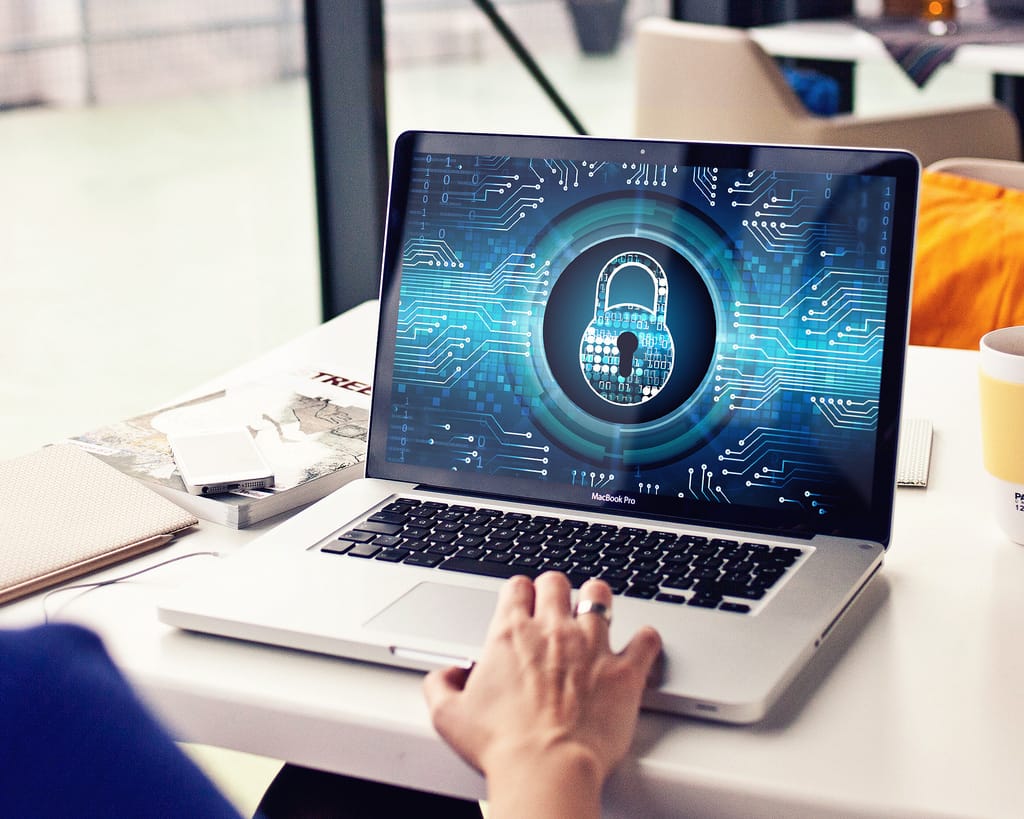
You have probably heard about VPN software before, either by your anti-virus software provider trying to upsell a VPN service, or a famous youtube influencer trying to sell VPN services. No matter where you turn, somebody is trying to sell you a VPN.
This article will break down what a VPN is, why it’s valuable (for some people) and the pros and cons of using a VPN. In an age where every large company is being targeted by hackers, everyday people are now wanting to increase their own online security, both at home and at work.
This guide will help you answer if you genuinely need a VPN service and we will go over all the details so you can make an informed decision.
1. What is a VPN?
A VPN is known as a ‘Virtual Private Network’ will encrypt your internet traffic so 3rd parties such as websites, ISPs, advertisers and hackers cant see your data. You may be an internet user in Australia, but if you use a VPN service, you can make your internet traffic look like it’s coming via a different country such as Turkey, or the USA.
Fundamentally, using a VPN makes your internet connection more secure and makes it harder for hackers to see your data and steal your information.
Some VPN’s may actually slow down your internet connection as your internet traffic is routed through numerous servers around the world. So we don’t recommend using VPN’s for basic internet use.
However, if you are travelling overseas and need to do online banking for example, we always recommend using a VPN when connecting to hotel WIFI or free wifi hotspots, as free wifi can be hacked easily.
2.Do VPN’s make you anonymous online?
It’s impossible to be 100% annonymous online, however VPNs make it much harder for companies and the government to track your online movements. Your ISP (internet service provider) will keep logs of your traffic, and can hand this data over to the government, (if requested).
By using a VPN, this cuts of the data feed to your ISP and they will have no data to share when requested by courts, or the government.
3. Do VPNs protect against malware?
Some anti virus companies say their VPN products will protect against malware, but this is a pure markeing ploy. Malware is usually downloaded via a fake file, or through an email attachment, or infected USB stick.
This is where having a paid anti virus program is very important, as this will pickup the malware or virus and stop it in it’s tracks. A VPN does not directly protect you against malware, but it does add an extra layer of protection against getting hacked.
4. Do VPN’s keep you safe online?
A VPN can make you feel safer online, but it can’t protect you against every online threat. You still need to be vigilant against phishing emails, fake websites, dodgy downloads, and scam emails.
VPN’s will allow you to leave less of a ‘digital fingerprint’ and prevent advertisers from tracking your online viewing and buying habits and running targetted ads towards you.
Everybody has visited an online store, only to be re-targeted with ads on Facebook minutes later. Using a VPN will prevent this from occurring.
5. Do VPN’s hide torrenting activity?
Yes, VPNs will encrypt all your internet data, and prevent your ISP from seeing that you are pirating and torrenting TV shows, movies and music. They will still be able to see you are using lots of data, but will not be able to tell what that data is.
This was a big issue in the USA, around ten years ago, when movie studios were suing individuals for pirating their movies.
6. Can VPN’s bypass censorship
VPN’s have been used by journalists and individuals to bypass a countries online censorship or firewalls. Many countries strongly regulate what people can say online and a VPN can bypass this. Countries have been known to block online torrenting, social media, political media, gaming and pornography.
7. Can VPN’s unblock streaming services?
Yes, VPN’s can bypass streaming services ‘geoblocking’. This is where streaming services such as Netflix release different TV series and movies in different regions around the world, so each country may have limited range of TV shows or Movies.
This is due to the complex licensing arrangements the movie studios have with their streaming parters around the world.
You can use a VPN service to access a streaming platform in another country, however not all VPN service providers allow this. And some countries may be blocked. It’s best to do your research online before you go down this route.
Also it’s important that know an overseas VPN may cause buffering and speed issues with your streaming service. The streaming services openly know people use VPN services for this purpose so have been know to pressure VPN providers to block this ability.
8. Can you trust a VPN?
This comes down to how important your online security is to you. When evaluating a provider’s privacy claims, look for supporting evidence, such as the independent audits and transparency reports available through the Surfshark trust center. Many VPN service providers keep logs of their users, and have been know to give this information over to government agencies when requested.
The most secure VPN providers have a ‘No Logs’ policy and are usually situated in neutral based countries such as Switzerland. This way if they are ever requested by the US government for their logs, they simply don’t have any or don’t have to comply with their request.
9. Do you need a VPN?
A VPN is a great tool to improve your online privacy, but its not a perfect end all be all solution for all people. If you are travelling or working in public areas, then you MUST use a VPN for your own security.
If you want to access pirated material or watch shows from other countries, a VPN can solve this for you.
However, if you are just a basic internet user, and already have a paid internet security software, then using a VPN wont benefit you. In fact you will notice your internet slowing down, and sometimes your emails may stop working.
Book Your VPN Installation Today
We secure your computer and with an easy-to-use VPN and show you how to use it. Improve your online security today with up to date internet security software. Call us today on 131 546 or fill out the form on this page and we’ll get back to you ASAP.

Paul Zdzitowiecki is an IT specialist and contributor at Jim’s IT, with extensive experience in computer repairs, managed IT services, and business technology solutions across Australia. Paul regularly writes about computer repairs, Wifi and internet optimisation, cybersecurity, and business IT support, delivering practical, easy-to-understand advice that helps readers solve real-world tech problems.